Warmer winters, lower Rhine, disrupted supply chains
- Quant Climate
- Supply chain,Climate
- 30 Jun, 2026
The Rhine is one of Europe’s most important trade arteries. Barges carry coal, chemicals, grain, and containers along it every day — but only when the water is deep enough. That makes the river a striking example of how climate change reaches the economy through indirect, easily-overlooked channels.
The question
How do warmer winters affect the number of days each year on which cargo ships can navigate the Rhine — and what does that mean for the supply chains that rely on it?
The chain of consequences
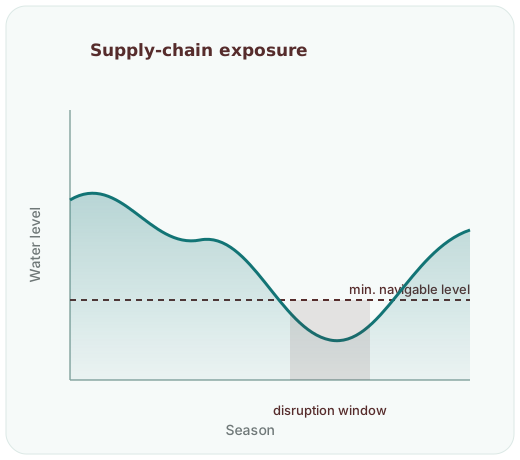
Warmer winters mean less snow stored in the Alps, and less meltwater feeding the river in the months that follow. Lower water levels shrink the window in which fully-laden barges can pass. When that window narrows, freight shifts to road and rail, costs rise, and delivery schedules slip.
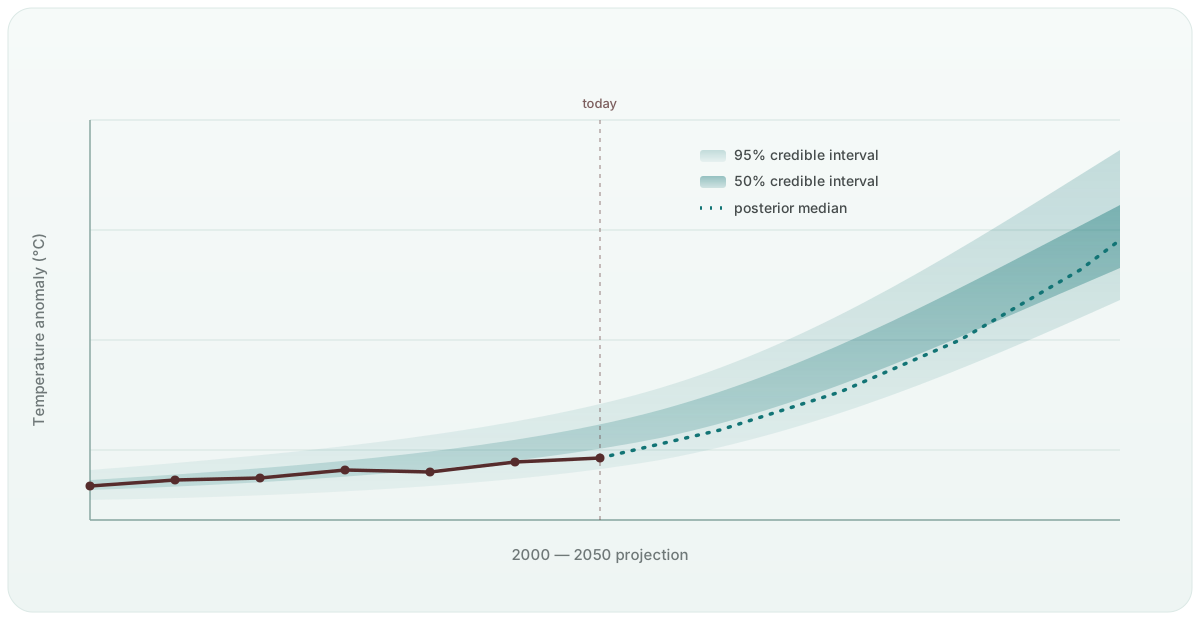
We built a Bayesian model to trace this chain end to end — from winter temperatures, to river levels, to navigable days — carrying the uncertainty through every step so the final estimate reflects everything we don’t know as well as everything we do.
Why it matters
Supply-chain risk from climate change is often invisible until it bites. Quantifying it in advance — with credible intervals attached — lets operators and their customers plan for the lean periods rather than be surprised by them.
Worried about climate exposure in your operations? Get in touch.